
Quality control in specialty chemical suppliers is a cornerstone for ensuring the safety, efficacy, and reliability of chemical products. It plays a significant role in the industry, influencing producers, consumers, and regulators alike. The significance of quality control extends beyond the manufacturing process, impacting the entire lifecycle of chemical products from creation to consumer use.
What are the Key Components of Quality Control in Specialty Chemical Suppliers?
Standardized Testing Procedures
Standardized testing procedures are vital for ensuring product consistency and reliability across batches. By implementing these procedures, companies can systematically detect deviations in product quality and correct them before reaching consumers.
These methods involve rigorous testing protocols to measure various chemical parameters and properties. Standardization enables the comparison of data across different production cycles and geographical locations, ensuring that all products meet defined quality criteria.
Moreover, standardized testing helps identify potential sources of contamination and degradation, thus safeguarding the chemical’s integrity. It becomes a critical part of the quality assurance process, reinforcing customer confidence in product efficacy.
Supply Chain Integrity
Maintaining supply chain integrity is essential for delivering high-quality, safe chemicals to end-users. It involves stringent checks and measures at every step, from raw material sourcing to distribution.
By focusing on securing the supply chain, companies can avoid contamination and ensure the seamless delivery of safe and effective products. An unbroken supply chain ensures that every chemical retains its intended properties until it reaches the consumer.
Furthermore, robust supply chain management helps to minimize disruptions and ensures timely delivery. This streamlined process maintains high standards of quality control, which is pivotal for organizational success and reputation.
How Does Quality Control Impact Compliance and Regulations?
Meeting Regulatory Standards
Quality control practices are instrumental in meeting regulatory standards set by governing bodies. These practices ensure that all chemical products conform to national and international regulations concerning safety, health, and environmental protection.
By adhering to stringent quality control protocols, suppliers can demonstrate compliance, avoiding potential sanctions and production halts. Effective quality management systems document every stage of production, providing evidence during regulatory inspections.
Continuous monitoring and improvement pathways allow companies to adapt efficiently to evolving regulations. This vigilance not only safeguards the company from regulatory breaches but also enhances product quality over time.
Minimizing Legal Risks
Implementing robust quality control measures significantly reduces legal liabilities associated with chemical production and distribution. Ensuring that all products meet established safety guidelines prevents incidents that could result in costly litigation.
Suppliers adhering to rigorous quality protocols are less prone to supply defective products, thereby avoiding lawsuits and recalls. Maintaining a comprehensive record of quality checks serves as a defense against allegations of non-compliance.
Beyond reducing legal risks, quality control enhances operational efficiency by mitigating the chances of product failures. This effectiveness translates to a financially stable and legally compliant business environment.
Why is Quality Assurance Important for Customer Satisfaction in Chemical Supplies?
Ensuring Product Efficacy
Quality assurance mechanisms validate that each chemical product performs as expected, meeting consumers’ intended use and specifications. These mechanisms detect inconsistencies and rectify them to ensure product reliability and functionality.
In the realm of specialty chemicals, efficacy is a non-negotiable trait that determines consumer trust and product longevity in the market. High efficacy aligns with precise manufacturing practices guided by consistent quality checks.
Consumers depend on the assured performance of chemical products for their varied applications, underscoring the need for stringent quality assurance processes. This commitment to efficacy instills confidence and drives customer loyalty.
Building Trust and Reputation
Consistent quality enhances customer satisfaction and fosters trust and a robust market reputation. Suppliers known for delivering high-quality chemical products are preferred partners in the industry.
A strong reputation built on quality creates a competitive advantage, enabling businesses to expand their market share. Trust solidifies business relationships, encourages repeat purchases, and attracts new customers.
Furthermore, maintaining a reputation for high standards helps companies withstand market fluctuations, contributing to long-term sustainability and growth. Customers’ positive perception becomes an invaluable asset to the business.
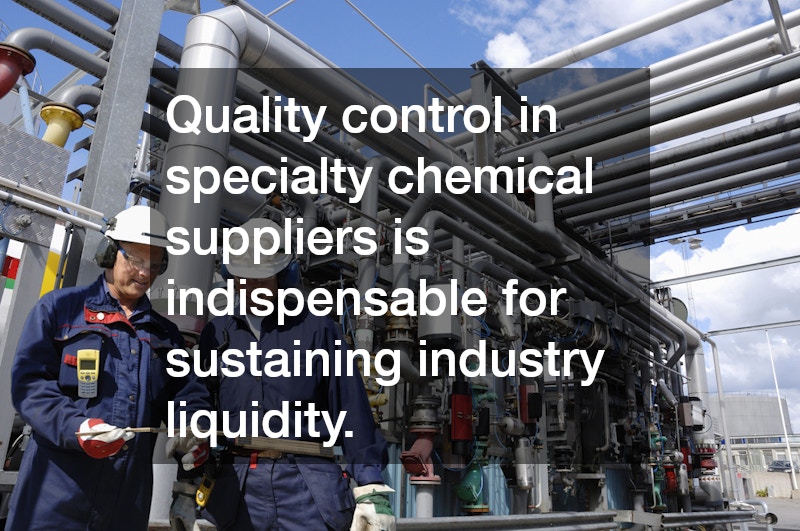
Quality control in specialty chemical suppliers is indispensable for sustaining industry liquidity, ensuring compliance, and achieving customer satisfaction. It serves as the backbone for consistent product quality, reinforcing market trust and reputation. Perpetual enhancements in quality control measures illustrate its transformative impact, elevating standards and setting the foundation for future industry advancements.
About the Author