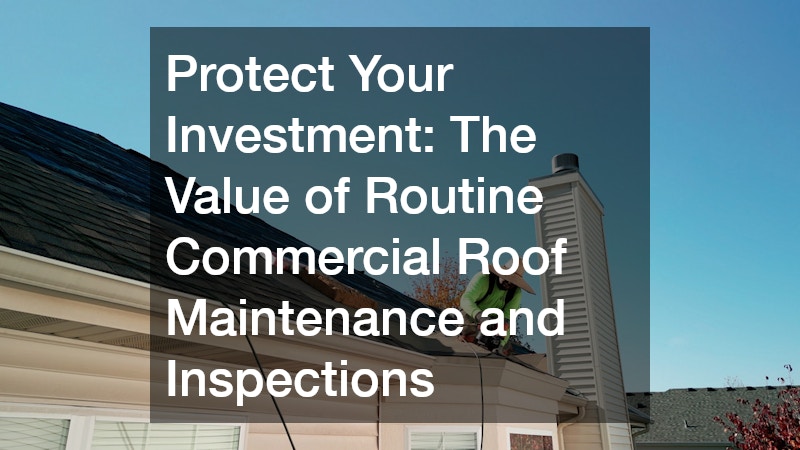

Protect Your Investment: The Value of Routine Commercial Roof Maintenance and Inspections
When it comes to commercial properties, the roof is one of the most critical components, yet it is often overlooked until problems arise. Implementing routine maintenance and inspections can be essential to extend your roof’s longevity, ultimately safeguarding your investment and saving on costs.
Why is Routine Roof Maintenance Important?
Extending Roof Longevity
Regular maintenance is instrumental in prolonging the life of a commercial roof, enabling it to withstand environmental challenges over time. By conducting timely inspections, property owners can detect minor issues before they evolve, preserving the roof’s structural integrity.
Preventive measures, such as clearing debris and ensuring proper drainage, help in reducing wear and tear. Regular upkeep maintains the robustness of roofing materials, preventing premature deterioration.
Moreover, a well-maintained roof enhances the overall efficiency of the building, contributing to energy savings. This proactive approach ensures that the property remains protected for as long as possible, maximizing return on investment.
Preventing Costly Repairs
Proactive maintenance can significantly reduce the likelihood of unexpected and expensive repairs, which can severely impact budgeting. Addressing potential issues during routine inspections helps avert costly damage like leaks or structural faults.
Minor problems left unchecked can lead to extensive damage that demands more time and resources to correct. By investing in regular maintenance, property owners can allocate their financial resources more efficiently, avoiding sudden repair costs.
Furthermore, early detection of roofing issues can prevent interruptions in business operations due to major repair work. This preemptive strategy keeps business on track, free from unforeseeable expenses that can strain financial stability.
What Should a Comprehensive Roof Inspection Include?
Identifying Common Roofing Issues
Inspections are designed to identify common roofing issues such as leaks, worn-out materials, and potential weak spots. These are critical in preventing water damage, which can compromise the building’s interior environment.
Deterioration in the roof’s components can also lead to energy inefficiencies, causing increased costs in heating and cooling the building. A thorough inspection can detect such inefficiencies, allowing timely intervention.
Additionally, structural damage such around supporting beams can be highlighted during inspections. Rectifying these issues promptly ensures that the roof maintains its load-bearing and weather-resistant capabilities.
Checklist for Routine Inspections
A comprehensive inspection checklist should include examining the condition of shingles or roofing panels, verifying the state of the membrane, and checking for punctures or wear. Evaluating the drainage systems is also crucial to ensure there are no blockages that could lead to standing water.
The assessment of flashing, ventilation, and seals around HVAC systems is another important task on the checklist. This step prevents moisture penetration and potential damage to critical infrastructure.
Most importantly, every inspection should include a review of previous repairs to track any recurring issues. Such documentation is key for long-term maintenance planning and cost prediction.
How Often Should Commercial Roof Maintenance Be Performed?
Recommended Maintenance Frequency
The generally recommended frequency for conducting roof maintenance and inspections is bi-annually. This routine schedule allows for timely detection and management of issues before they escalate.
However, the specific needs of a building may necessitate more frequent checks. Factors such as environmental conditions, roof material type, and building usage should be considered when scheduling maintenance.
By adhering to a regular maintenance schedule, businesses can improve the resilience of their roofs and prevent unexpected failures. This foresight in maintenance planning pays dividends in avoided repair costs and continued functionality.
Seasonal Maintenance Considerations
Seasonal changes introduce different challenges; therefore, inspections should be aligned to address specific concerns. For instance, after winter, checking for ice damage is crucial, while in autumn, clearing fallen leaves prevents clogged drainage.
Summer heat can lead to materials expanding or cracking, making inspections after extreme temperatures vital to assess potential heat-induced damage. Understanding the impact of climate variations helps tailor an effective maintenance routine.
Seasonal maintenance ensures that the roof is prepared to handle adverse weather conditions anticipated in upcoming months. By anticipating these challenges, property managers safeguard their investment against seasonal wear and tear.
Conclusion
In conclusion, protecting your commercial roofing begins with a commitment to routine roof maintenance and inspections. Such practices not only extend the roof’s life but also prevent costly repairs, contributing positively to your bottom line.
By understanding and implementing a thorough inspection process, businesses can identify and address roofing issues before they escalate. This strategic approach is essential for maintaining roof integrity and reducing unforeseen expenses.
Moreover, customizing maintenance schedules to address seasonal changes ensures the roof remains in optimal condition year-round. Consistent care and timely interventions solidify the roof’s role as a reliable protector of your business premises.
About the Author